Garden Path Ideas on a Small Budget You Can Build in a Day
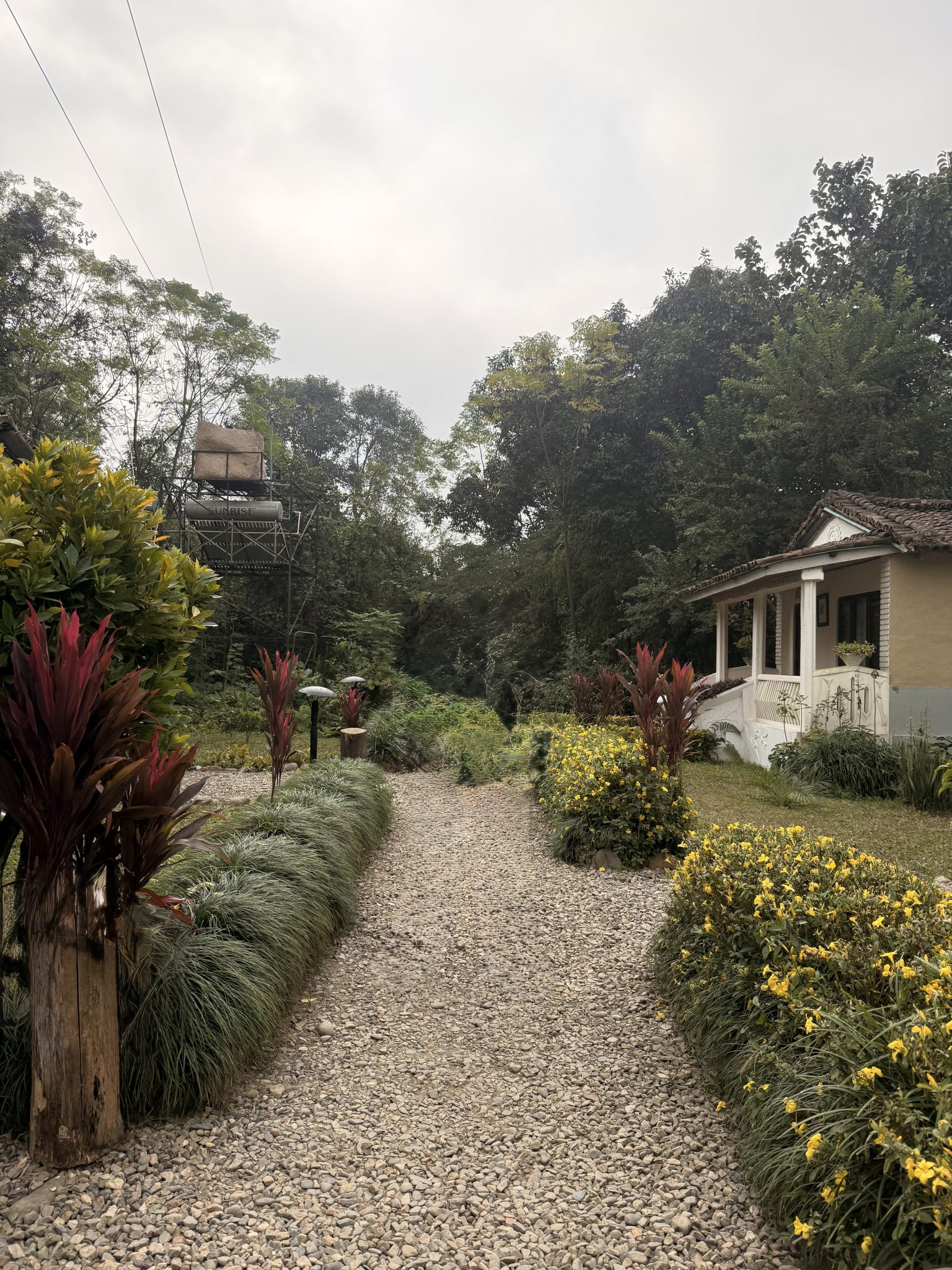
You can build sturdy garden path ideas on a small budget in a single weekend using simple bulk materials. A clean walkway keeps your shoes dry, cuts down on muddy lawn tracks, and frames your planting beds neatly. Most simple paths take three to four hours of work and cost less than buying a single pallet of paving slabs.
How do you make an inexpensive garden path?
The cheapest way to lay down a path is by combining bulk pea gravel with sturdy borders. Heavy paving stones cost a lot of money to buy and move, but loose aggregate covers wide spaces fast. To do this right, you only need to dig down 3 inches into the ground. Removing that top layer of sod creates a flat channel that stops loose stones from spreading onto your lawn.
Good gardening projects always rely on solid ground prep before adding the top layer. Once you clear the grass, tamp the soil down flat with your boots or the back of a metal rake. Then, roll out heavy-duty woven geotextile fabric along the whole trench. Secure the edges every 2 feet with 6-inch steel landscape staples. This barrier keeps weeds down while letting heavy rain soak straight into the ground.

Garden path ideas on a small budget with wood and gravel
Treated wood borders give a loose gravel path sharp edges and a clean look. You can use standard 2x4 treated timber planks set on their edges to hold everything inside the path lines. Cut wooden stakes to 12 inches long, drive them flush into the outside dirt every 3 feet, and screw through the stakes into the planks to lock the frame in place.
- Mark the path width at 30 to 36 inches with string lines and wooden pegs.
- Dig out the turf to a depth of 3 inches across the full length.
- Stake treated 2x4 timber along both sides to serve as rigid borders.
- Lay woven ground fabric flat along the bottom and staple it down.
- Rake 2 inches of pea gravel evenly between the timber edges.
Wood slice steps for a shaded woodland walk
If you have shaded borders or a woodland corner, raw wood rounds create an earthy walkway for next to nothing. Tree trimming crews and local firewood sellers often give away thick hardwood trunk slices for free or very little money. Choose dense woods like oak, cedar, or ash that resist rot naturally. Avoid soft white pine, which turns soft and breaks down after one wet winter.
Cut your rounds between 3 and 4 inches thick so they do not snap under foot traffic. Dig individual holes for each round rather than clearing an entire trench, matching the depth to the wood thickness. Drop a 1-inch layer of coarse sand into the bottom of each hole before setting the round inside. The sand allows water to drain away from the wood base quickly, which prevents slick moss from rotting the underside.
Stepping stones paired with ground cover plants
Basic concrete stepping stones from the home store look high-end when you plant low-growing herbs between them. Space standard 12-inch or 16-inch concrete squares about 4 to 6 inches apart down your route. This leaves generous pockets between each slab for green foliage to creep over the hard edges, softening the lines of plain gray cement.
- Creeping thyme: Needs 6 hours of sun, handles foot traffic, and releases a fresh scent when stepped on.
- Irish moss: Prefers part shade and moist soil, forming a deep green carpet between wet stones.
- Corsican mint: Grows best in partial shade with light weekly watering and hugs the soil tightly.
- Sedum acre: Thrives in hot, dry sun and spreads over rocky soil with almost no summer watering.
Caring for your new gravel and mulch paths
Unpaved walkways need small seasonal checks to stay neat and tidy over the years. Fallen tree leaves will rot into the gravel and turn into compost soil if you leave them behind, which lets windblown weed seeds take root. Take a stiff outdoor broom or a plastic leaf rake across the top of your stones every autumn to pull away dried leaves before they break down.
Every two years, top up the path with one fresh bucket of gravel or crushed stone chips to fill low spots. If you live in an area with freezing winters, shovel snow carefully by holding the blade half an inch above the stones so you do not scoop the rock out into your grass. Simple care takes less than twenty minutes each season and keeps your budget path looking sharp for years.
No comments