Easy Raised Bed Garden Plan For Beginners

Building a productive food garden is simple when you use a clear layout and stick to easy crops. This beginner plan shows you how to plant a standard four-foot by four-foot raised bed for a big harvest.
Choose the Right Spot and Soil
Pick a location that gets at least six to eight hours of direct sunlight every day. Most edible plants need full sun to grow well. Fill your bed with a fifty-fifty mix of topsoil and high quality compost. This gives your roots loose earth and rich food without extra mixing.
Set up your raised bed in early spring before the last frost date. Clear away any grass or weeds from the ground underneath the frame. Lay down cardboard at the very bottom to stop weeds from pushing up into your growing soil.
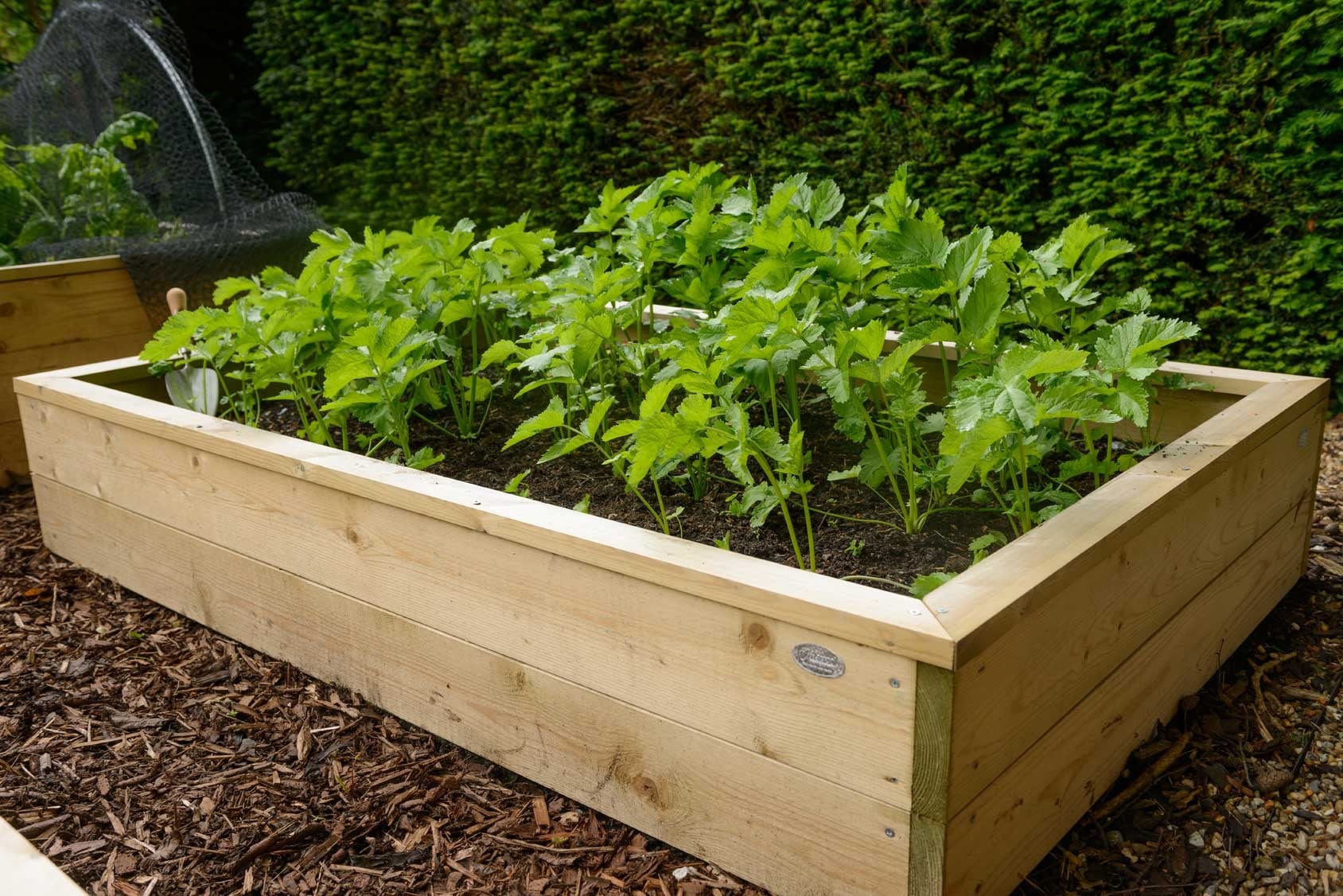
Divide Your Bed Into Sections
Use twine and push pins to divide your four-foot by four-foot bed into sixteen individual one-foot squares. This grid method helps you space your crops correctly and stops plants from crowding each other out. Plant tall crops on the north side so they do not cast shadows on the smaller plants.
- Mark four equal rows across the frame using garden twine.
- Tie the twine to small nails tapped into the wooden frame.
- Check that each grid square measures twelve inches by twelve inches.
- Label each section with a wooden plant marker before you sow seeds.
Select Easy Beginner Crops
Grow plants that sprout fast and need very little troubleshooting during your first season. Lettuce, radishes, bush beans, and cherry tomatoes give you a heavy yield with minimal effort. Plant cool season greens in April, and wait until May to plant warm season crops like tomatoes.
- Plant one cherry tomato plant in the back corner of your grid.
- Sow four radishes per square in a front corner.
- Plant leaf lettuce seeds in two middle squares, scattering six seeds per square.
- Push bush bean seeds one inch deep along the eastern side.
Water and Care Schedule
Water your raised bed deeply three times a week during the hot summer months. Give the soil one inch of water per week in the spring, checking moisture by sticking your finger two inches into the dirt. If the soil feels dry at that depth, water immediately in the early morning.
Pull weeds by hand every Saturday morning so they never steal nutrients from your vegetables. Spread two inches of straw mulch around the base of your plants by June to keep the soil moist. Harvest your lettuce and radishes as soon as they reach full size to encourage new growth.
Keep Bugs and Pests Away
Check your leaves every few days for tiny holes or sticky spots. Catching bugs early stops them from eating your entire crop. Wash soft insects off with a gentle spray of water from your garden hose.
- Pick off large caterpillars by hand and drop them into a bucket of soapy water.
- Cover young greens with light cloth if hungry birds visit your yard.
- Clear away dead leaves from the soil surface to stop pests from hiding.
Enjoy Your Fresh Harvest
Pick your vegetables often to keep the plants producing food all summer long. Pull radishes when the red roots pop up above the dirt line. Snip outer lettuce leaves with sharp scissors so the center keeps growing new food.
- Harvest cherry tomatoes as soon as they turn bright red and feel slightly soft.
- Pick green bush beans before the pods look lumpy from large seeds inside.
- Wash all picked vegetables in cold water before bringing them into your kitchen.
No comments