Flowers That Bloom All Summer With Little Care
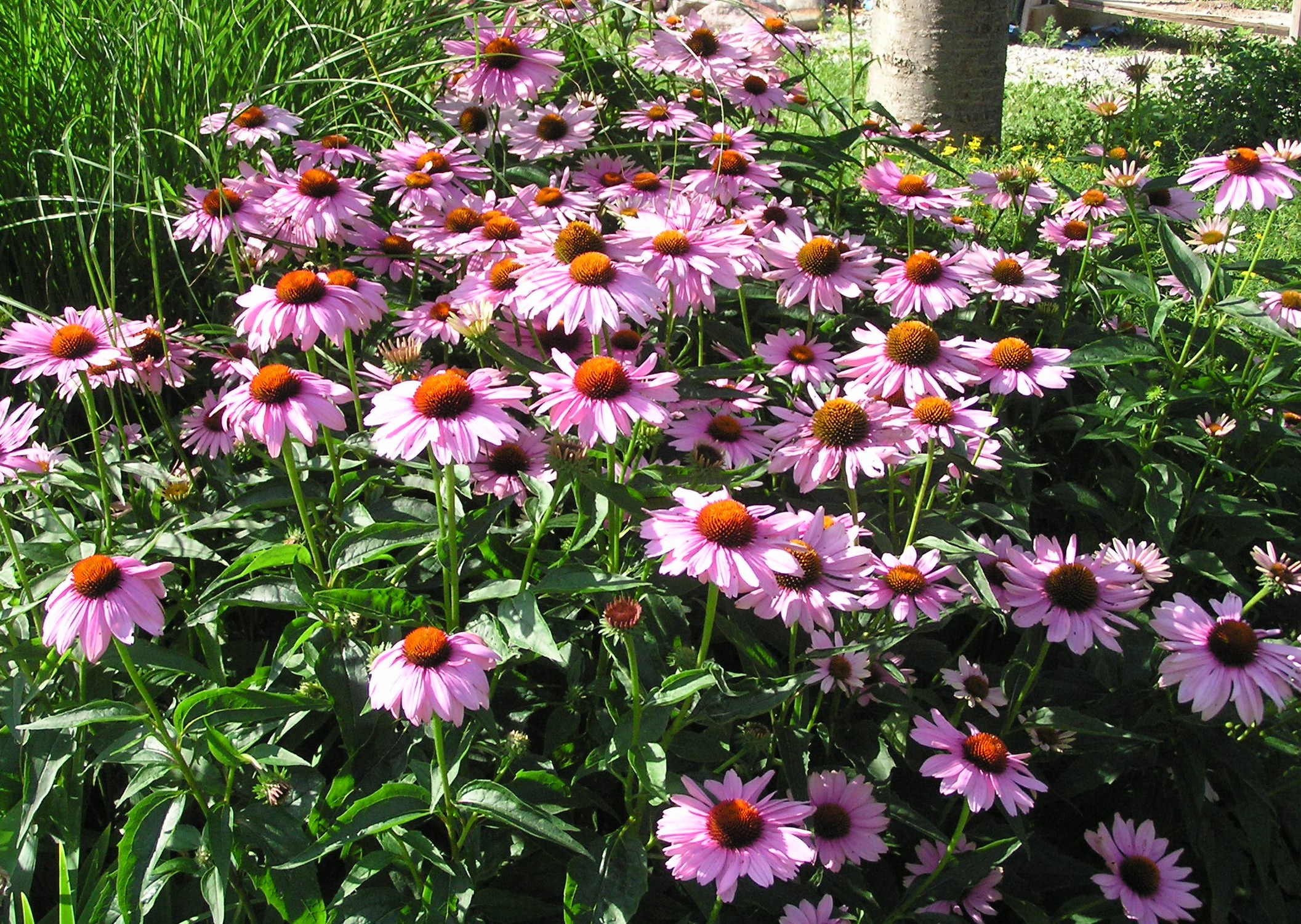
You can grow flowers that bloom all summer with little care by picking drought-tolerant varieties and sticking to a quick weekly routine. Plant your continuous bloomers in late spring after the final frost, give them six full hours of sunlight daily, and water deeply once every seven days. This guide gives you the exact varieties, soil steps, and feeding schedule to keep your yard colorful until autumn.
Which Flowers That Bloom All Summer With Little Care Work Best?
The secret to continuous blooms lies in choosing strong plants that handle heat without fading. Traditional annuals often drop their petals when July temperatures rise, but specific heat-loving choices thrive through the hottest weeks. Setting up a vibrant border using gardening techniques focused on low-water plants saves you time and cuts down on your water bill.
Combine perennials that return every year with self-cleaning annuals that do not require deadheading. Self-cleaning flowers drop their spent blossoms naturally, which removes the tedious task of cutting off old stems every afternoon. Focus on these top six low-maintenance performers:
- Purple Coneflower (Echinacea): Needs 6 to 8 hours of direct sun. Water with 1 inch of water once a week during warm spells.
- Blanket Flower (Gaillardia): Thrives in full sun and lean soil. Water every 10 to 14 days once roots are established.
- Lantana: Loves high heat and direct sun. Water thoroughly every 7 days when the top 2 inches of soil feel dry.
- Russian Sage: Requires full sun and dry conditions. Water every 2 weeks only during severe droughts.
- Zinnias: Plant seeds in full sun. Water at the soil level twice a week using 0.5 inches of water per session.
- Coreopsis (Tickseed): Grows best in full sun. Water once a week during its first summer, then cut back to twice a month.
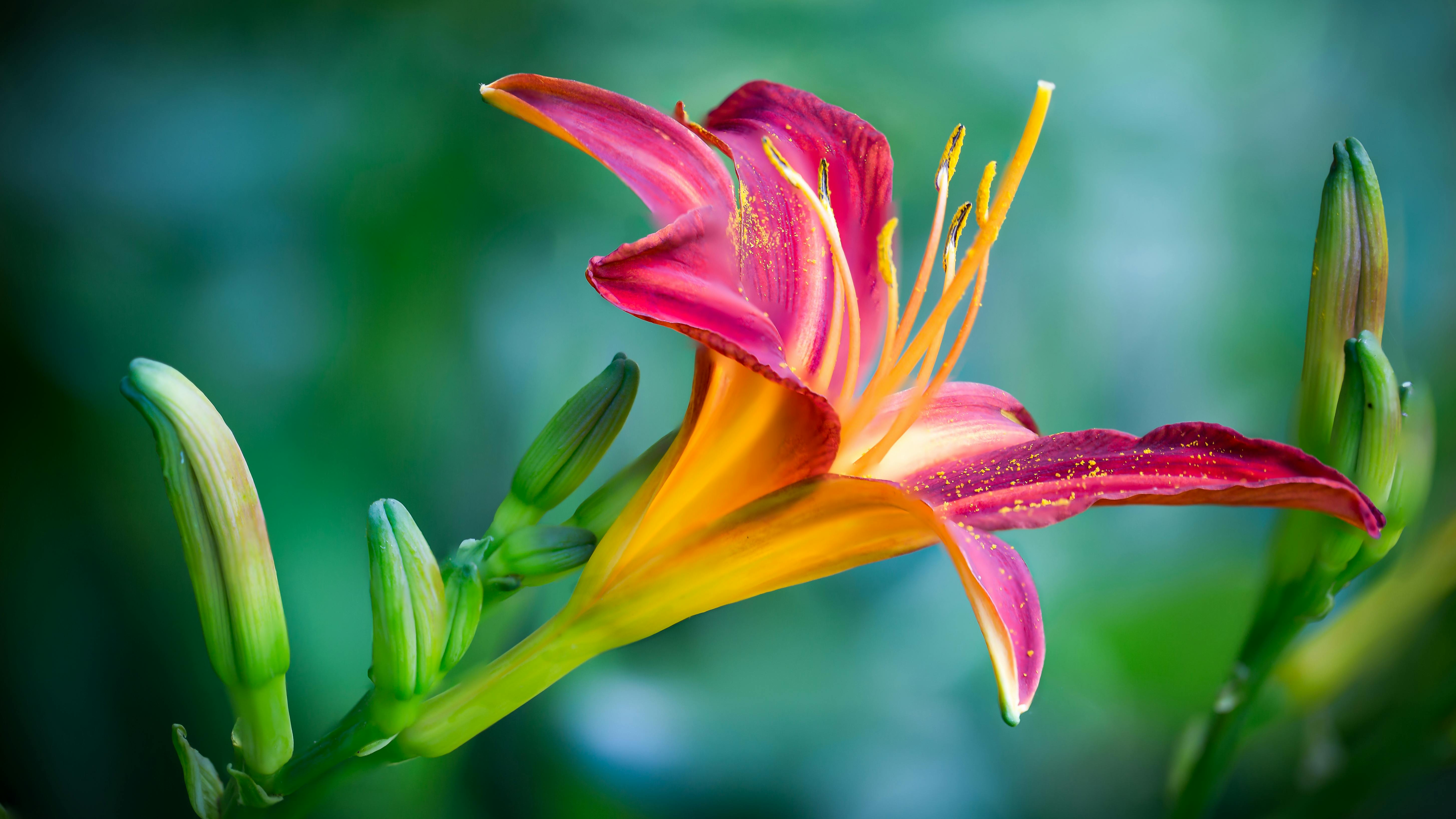
How Do You Plant for Non-Stop Summer Color?
Proper soil prep takes about 20 minutes and sets your flowers up to survive summer dry spells. Start by digging a hole for each plant that measures twice as wide as the nursery pot and the exact same depth. Mix a handful of organic compost into the displaced soil before setting the root ball into the ground to build a strong root foundation.
Space your plants correctly so air moves freely between the leaves, which prevents mildews and fungal diseases during humid months. Press the soil down gently around the base of each stem and water immediately to settle the earth. Follow these steps during your planting afternoon:
- Dig planting holes 12 to 18 inches apart depending on the mature width of your chosen plant.
- Add 1 cup of well-rotted compost into the bottom of each hole.
- Place the plant into the hole so the top of the root ball matches the surrounding ground level.
- Fill in the open spaces with soil and press down using your flat palm for 5 seconds per plant.
- Soak the soil around the base with 1 gallon of water per plant right after planting.
- Spread a 2-inch layer of bark mulch over the soil, keeping it 1 inch away from main stems.
What Is the Exact Weekly Watering Schedule?
Overwatering causes more summer plant loss than heat, so keeping a strict routine is key. Shallow daily sprinklings force root systems to stay near the surface where the hot soil bakes them. Deep, infrequent watering encourages roots to dig deep into the cool earth where moisture lasts much longer.
Water your flower bed early in the morning between 6:00 AM and 8:00 AM before the sun gets high. Morning watering gives the leaves time to dry off in the air, while the water sinks down into the root zone without evaporating. Apply 1 inch of water total per week, which equals roughly 60 seconds of steady pouring from a standard watering can per plant stem.
How Do You Feed Flowers Without Constant Work?
Frequent liquid fertilizing every week takes too much time and can burn tender plant roots in high summer heat. Use a slow-release granular fertilizer instead when you plant in spring. These tiny granules melt down slowly over three to four months every time it rains or whenever you water the bed.
Apply granular flower food once in May at a rate of 1 tablespoon per square foot of flower bed. Scratch the granules gently into the top inch of mulch or dirt, then water the area for 30 seconds to activate the food. This single application feeds your continuous blooms clear through September without any extra daily mixing or measuring.
No comments