Flowers That Bloom All Summer With Little Care
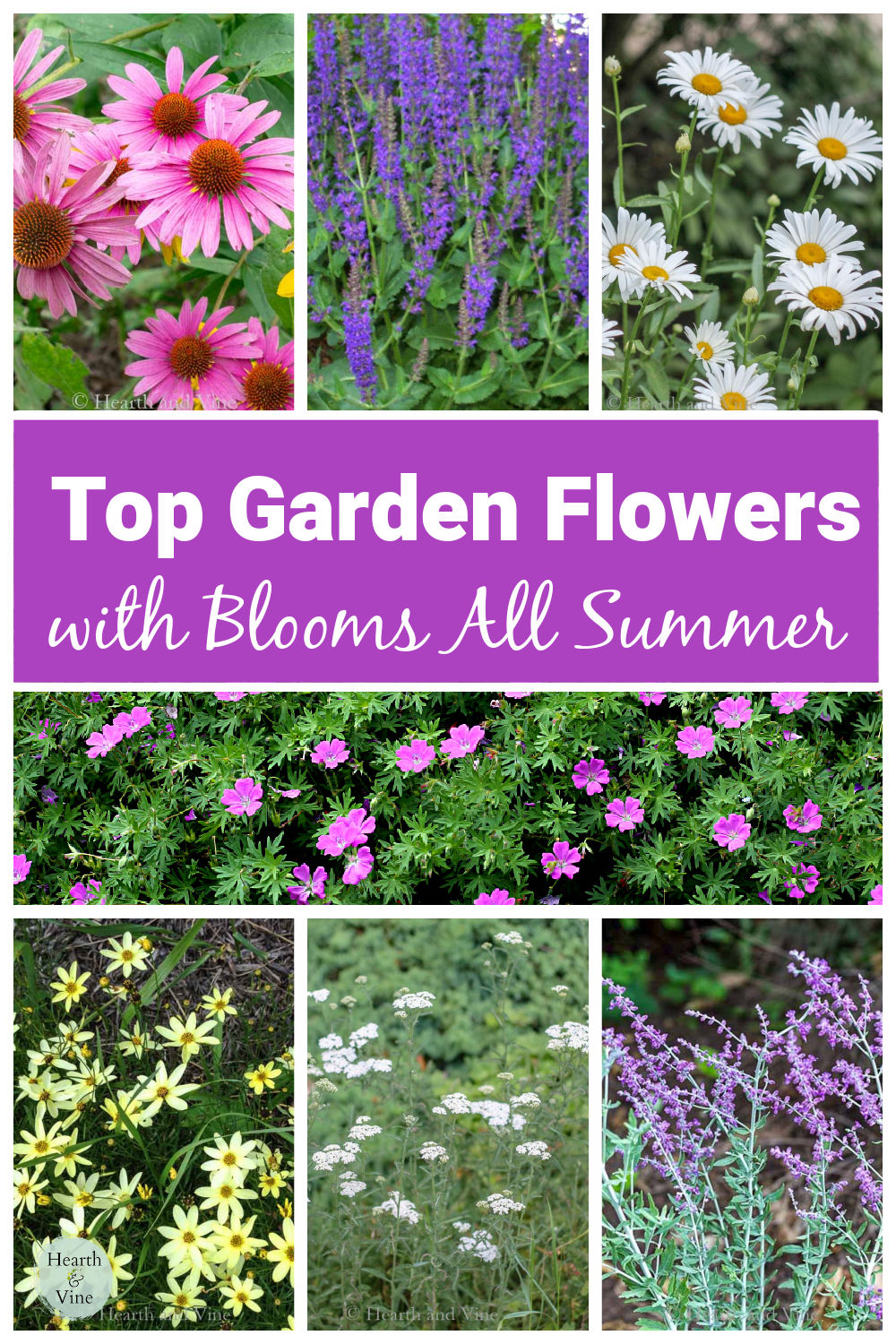
You can enjoy bright flowers that bloom all summer with little care by picking drought-tough varieties and spacing them right. Plant them in late spring once soil hits 60 degrees Fahrenheit and add a two-inch layer of wood chips. Give the root zone one inch of water once a week instead of soaking the leaves every day.
What flowers bloom all summer with little care?
The secret to continuous color without daily work is choosing plants bred for baking sun and dry spells. These five varieties keep pushing fresh petals through heatwaves, even when you forget to water them for a week.
- Profusion Zinnias: These grow twelve to eighteen inches tall and drop their own old heads, so you never have to pinch off dead flowers.
- Purple Coneflower: A hardy perennial that needs six hours of direct sun and handles three weeks without rain once established.
- Globe Amaranth: Round clover-shaped heads hold vivid purple and pink hues through July and August heat.
- Lantana: Spreading clusters that drink up full sun and bloom nonstop until the first hard frost of autumn.
- Blanket Flower: Daisy-shaped red and yellow petals that thrive in poor, sandy soil where other plants wilt.
If you prefer growing your flowers in pots on a patio, setting up a container garden with potting mix that drains fast gives these same varieties the airflow they need around their roots.

Soil prep and planting depth steps
Getting your soil ready takes thirty minutes on planting day and cuts your summer weeding time in half. Dig your hole exactly as deep as the nursery pot and twice as wide so roots spread outward quickly.
- Mix two shovels of finished garden compost into the top four inches of your native dirt.
- Loosen tightly wound root balls with your fingers before setting the plant in the hole.
- Press the soil down firmly around the base with the palm of your hand to remove air pockets.
- Spread two inches of shredded bark mulch across the surface, leaving two inches of bare space around the green stem.
Mulch stops ninety percent of weed seeds from sprouting under your plants. It also prevents ground moisture from evaporating during ninety-degree afternoons, keeping roots cool.
How much water and sun do summer flowers need?
All of these heavy bloomers require at least six hours of direct, unfiltered sunlight each day to set buds. If you place them in full shade, stems stretch thin and petal production stops within two weeks.
Water each plant at the soil line for thirty seconds once every seven days in normal weather. If your area sees ten days above eighty-five degrees without rain, give them two deep drinks a week instead. Always water before nine in the morning so moisture sinks deep into the earth instead of burning off in the noon sun.
Monthly upkeep to keep blooms going until frost
Basic outdoor gardening stays simple when you follow an exact monthly rhythm instead of guessing. Set aside fifteen minutes on the first Saturday of each summer month to check your beds.
In June, spread an organic granular fertilizer formulated for blooms around the drip line of each plant. In July, snap off any broken stems after heavy thunderstorms and top up any bare spots in your mulch. In August, leave old coneflower heads alone on the stalk so goldfinches can eat the seeds while new side buds open underneath.
No comments