Growing Tomatoes in Pots: A Complete Step-by-Step Guide
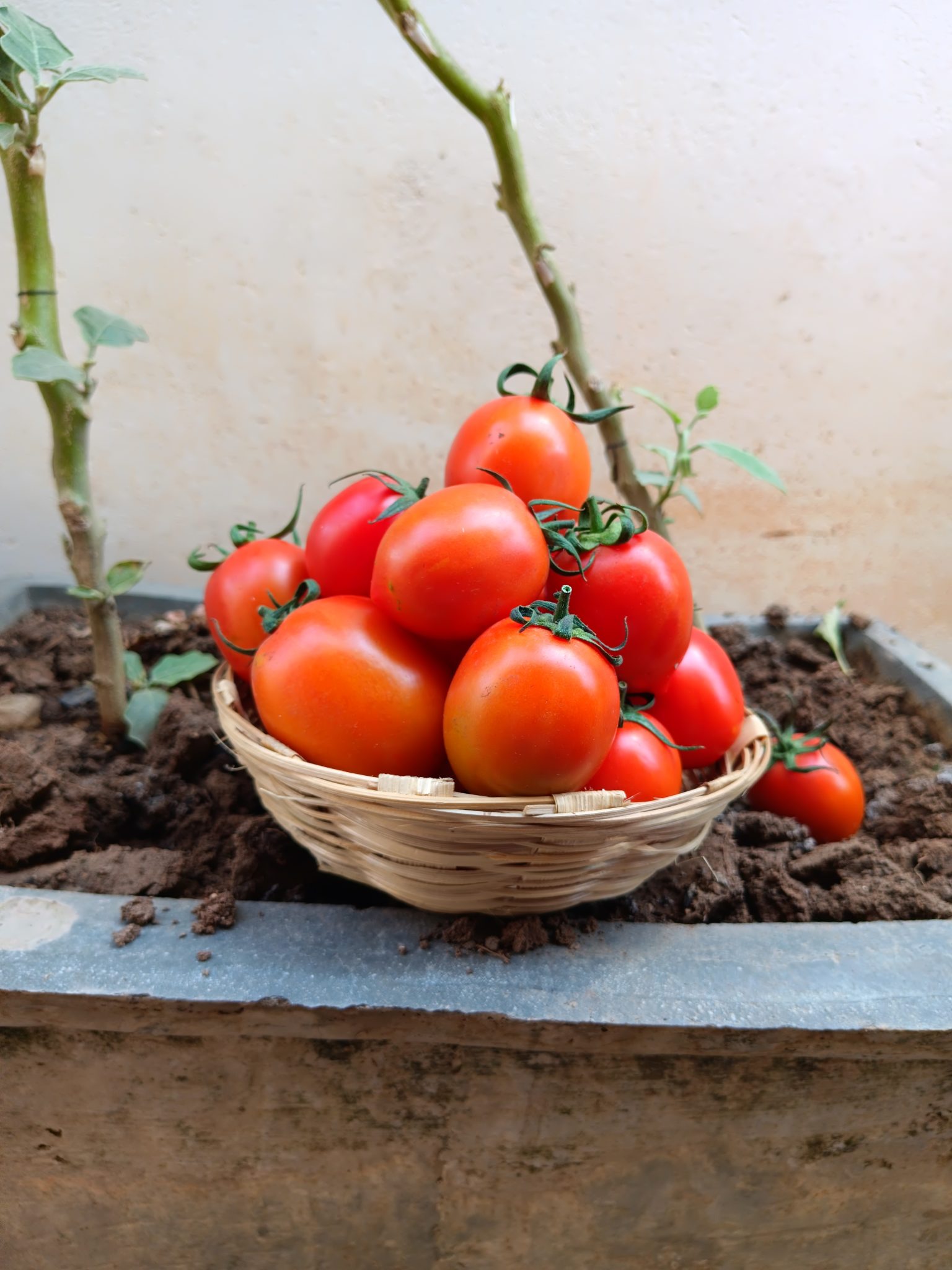
Growing tomatoes in pots is simple if you give each plant at least five gallons of soil and eight full hours of direct sun every day. Set your pot outside after all frost passes in spring, water deeply whenever the top two inches feel dry, and feed weekly once yellow flowers open. This clear plan takes you from raw nursery start to heavy summer pickings without any guesswork.
Choosing the Best Containers and Soil
Pick a pot that holds at least five gallons of potting mix, which equals a container roughly twelve inches wide and twelve inches deep for smaller bush types. Indeterminate vining varieties need ten to fifteen gallons, such as a large plastic tote or a big fabric grow bag with drain holes poked into the base. Good drainage keeps roots from rotting during wet weeks. Learn more about setting up healthy roots in a Container garden setup before filling your buckets.
Never fill pots with heavy dirt dug up from the backyard lawn. Garden soil packs together like wet clay, which stops air from reaching plant roots and chokes off growth. Instead, blend equal parts peat moss or coconut coir, coarse perlite, and aged compost. You can also buy bags labeled specifically as outdoor container potting soil. Fill the pot to two inches below the rim so water does not spill over the edges when you pour.
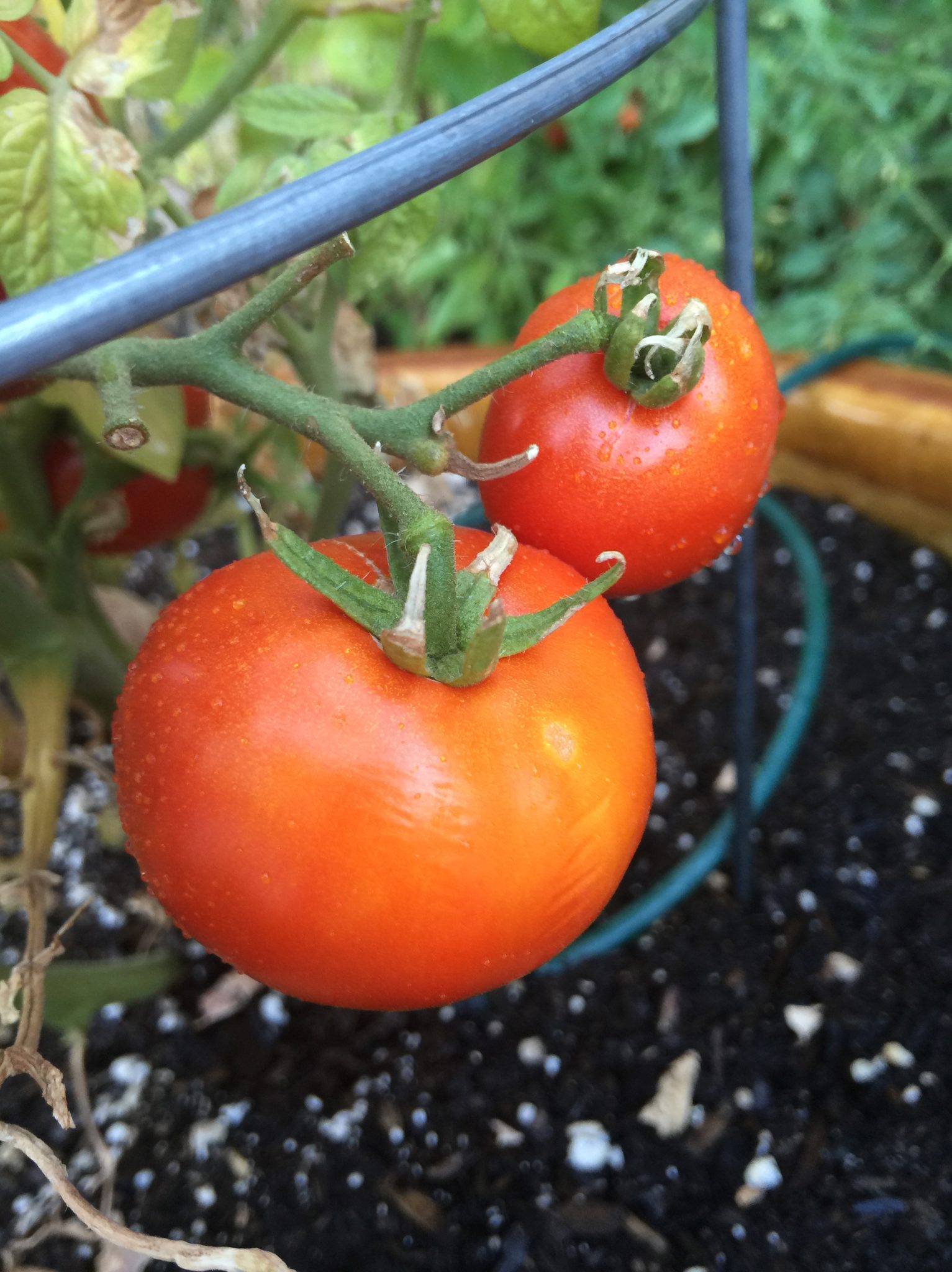
How Do You Plant and Support Tomatoes in Pots?
Planting depth makes a huge difference with tomatoes. Pinch off the lowest two sets of leaves from your young stem, then bury the root ball deep down into the mix so only the top cluster of green leaves sits above the soil. The buried stem will sprout extra roots all along its length within ten days, creating a tough base that pulls in more water.
- Insert a strong stake: Push a four-foot wood stake or metal spiral right down to the base of the pot on planting day so you do not cut through roots later.
- Add three inches of mulch: Cover the surface with clean straw or shredded wood chips to keep the soil moist and stop soil fungus from splashing onto low leaves.
- Soak the soil: Pour one full gallon of room-temperature water around the base slowly until you see water run out of the bottom holes.
- Tie stems loosely: Use soft cloth strips or green plant ties to fix the main stem to the stake, leaving two inches of slack for stem expansion.
Exact Water and Feeding Schedules
Consistent moisture stops skins from splitting and prevents brown sunken patches on the bottom of the fruit. In mild spring weather, give your pot one good soak every two or three days. When summer heat rises above 85 degrees Fahrenheit or 30 degrees Celsius, check the soil daily and water thoroughly every morning before ten o'clock. Soak until water drips freely from the bottom drain holes.
Tomatoes are heavy eaters that burn through nutrients quickly inside a pot. Wait until the first tiny yellow blossoms appear before adding fertilizer. Once flowering begins, apply a liquid organic tomato feed high in potassium and phosphorus every seven days. Dilute the feed according to the label instructions, usually one tablespoon per gallon of water, and pour it right onto wet soil rather than dry roots.
Pruning and Daily Care for Maximum Fruit
Pots have limited root space, so pruning directs all plant energy straight into producing fruit instead of tons of leafy branches. Check the joints where side branches meet the central stem every five days. These diagonal sprouts are called suckers. Pinch them off with clean fingers while they are under two inches long to keep the center open to sun and moving air.
- Check soil moisture daily: Press your index finger two inches deep; if it feels dry and warm, soak the pot immediately.
- Remove yellow leaves: Clip off any bottom foliage that touches the mulch to stop soil diseases from moving up the plant.
- Turn pots weekly: Rotate your containers one half-turn every Sunday so each side receives equal sunlight throughout the season.
- Tie up heavy trusses: Support large fruit clusters with garden twine so heavy green fruit does not snap the main vines.
Harvesting Your Potted Tomatoes
Pick your fruit when the skin shows its full mature color, whether bright red, sunny orange, or deep yellow, and yields slightly to a soft squeeze. Leaving ripe fruit on the vine signals the plant to slow down flower production, so picking every two days keeps new blossoms forming right through late summer. Snap the green stem cleanly just above the fruit cap using sharp shears.
If nighttime temperatures drop near frost in autumn while green fruit remains on the plant, cut the entire stem off at soil level and bring the vines inside to finish coloring. You can also pick pale green tomatoes and place them in a single layer inside a cardboard box at room temperature. Proper potted care delivers sweet garden flavors right to your doorstep all season long with basic regular attention.
No comments