Indoor Plants That Survive a Dark Room: 5 Tough Picks

You can keep real greenery alive in a dim bedroom or a hallway with no windows. The secret is picking indoor plants that survive a dark room by growing slowly and handling dry soil. These five varieties stay green with little light and simple care routines.
Indoor Plants That Survive a Dark Room Without Direct Sun
Rooms without bright light dry out very slowly. Plants in these spaces do not use water quickly because they do not get direct sun to speed up their growth. Picking the right houseplant means choosing one with thick leaves or sturdy root systems that hold moisture safely.
Each of the plants on this list can live several feet away from small north-facing windows or under basic household ceiling bulbs. They will not grow fast, but their foliage stays glossy and healthy as long as you avoid soggy soil.
- Cast iron plant (Aspidistra elatior): Wide, dark green leaves that handle deep shade and dusty corners without browning.
- ZZ plant (Zamioculcas zamiifolia): Upright stems with waxy leaflets that store water in underground bulbs for months.
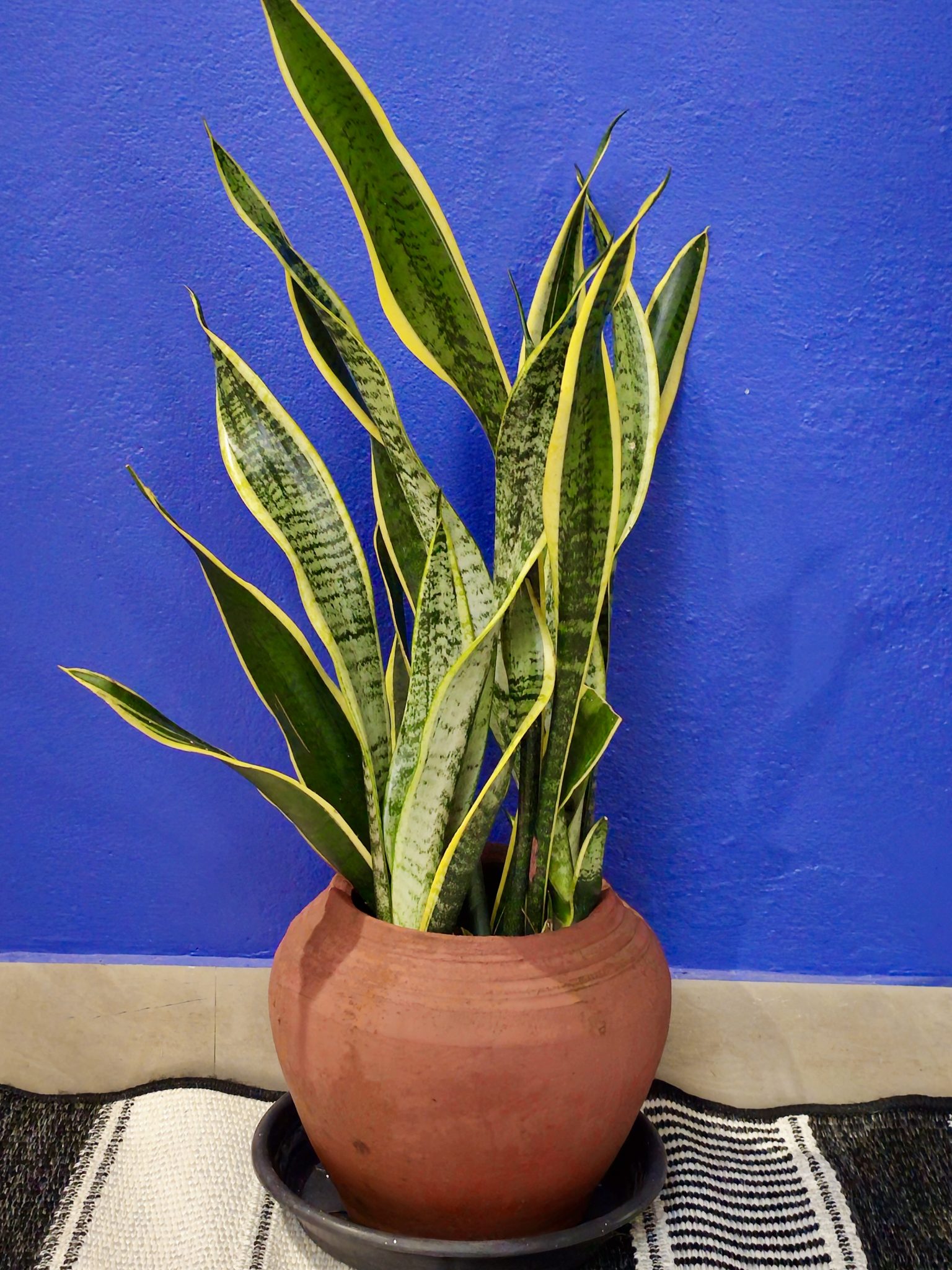
- Snake plant (Sansevieria trifasciata): Tall, stiff blades that thrive on dry air and tolerate near-total darkness.
- Aglaonema (Chinese evergreen): Soft patterned leaves that bring silver and pale green shades into dim corners.
- Parlor palm (Chamaedorea elegans): Feathery fronds that grow naturally under dense jungle trees, perfect for low indoor light.
How Often to Water Plants in a Low Light Room?
Overwatering kills dark room plants faster than a lack of sun. Because the leaves receive very little warmth, the potting soil stays wet for two to three weeks after every drink. Check the dirt with your finger two inches deep before you bring out the watering can.
Give each plant a thorough drink only when the top half of the pot feels dry to the touch. Pour water evenly around the base until liquid drips out through the bottom drainage holes, then empty the drip tray after twenty minutes so the roots never sit in standing water.
Exact Care Steps for Dim Spaces
Keep your plants healthy by wiping down the foliage once a month with a damp cotton cloth. Dust blocks the tiny amount of light these plants need to produce food, so clean leaves help them stay strong in low light conditions.
Follow these basic habits to keep root rot away all year round:
- Always use a pot with at least one bottom drain hole so extra water can escape immediately.
- Wait three weeks between waterings during late autumn and winter when indoor growth stops.
- Skip commercial fertilizers between October and March to prevent chemical burns on resting roots.
- Keep foliage at least two feet away from cold window glass and hot radiator vents.
Common Problems in Dark Rooms and How to Fix Them
Pale stems or yellow bottom leaves usually mean the soil is wet for too many days in a row. If a stem feels soft at the soil line, stop watering immediately and move the pot closer to a lamp for two weeks so the dirt can dry out. Trim away soft or brown leaves with clean scissors right at the soil level.
If your plant stops putting out new leaves entirely, remember that low light simply slows everything down. A plant in a dark corner might only grow one or two new leaves every summer, and that is completely normal. As long as the existing leaves stay firm and green, your plant is healthy and doing well.
No comments