Low Cost DIY Garden Paths Made With Recycled Materials
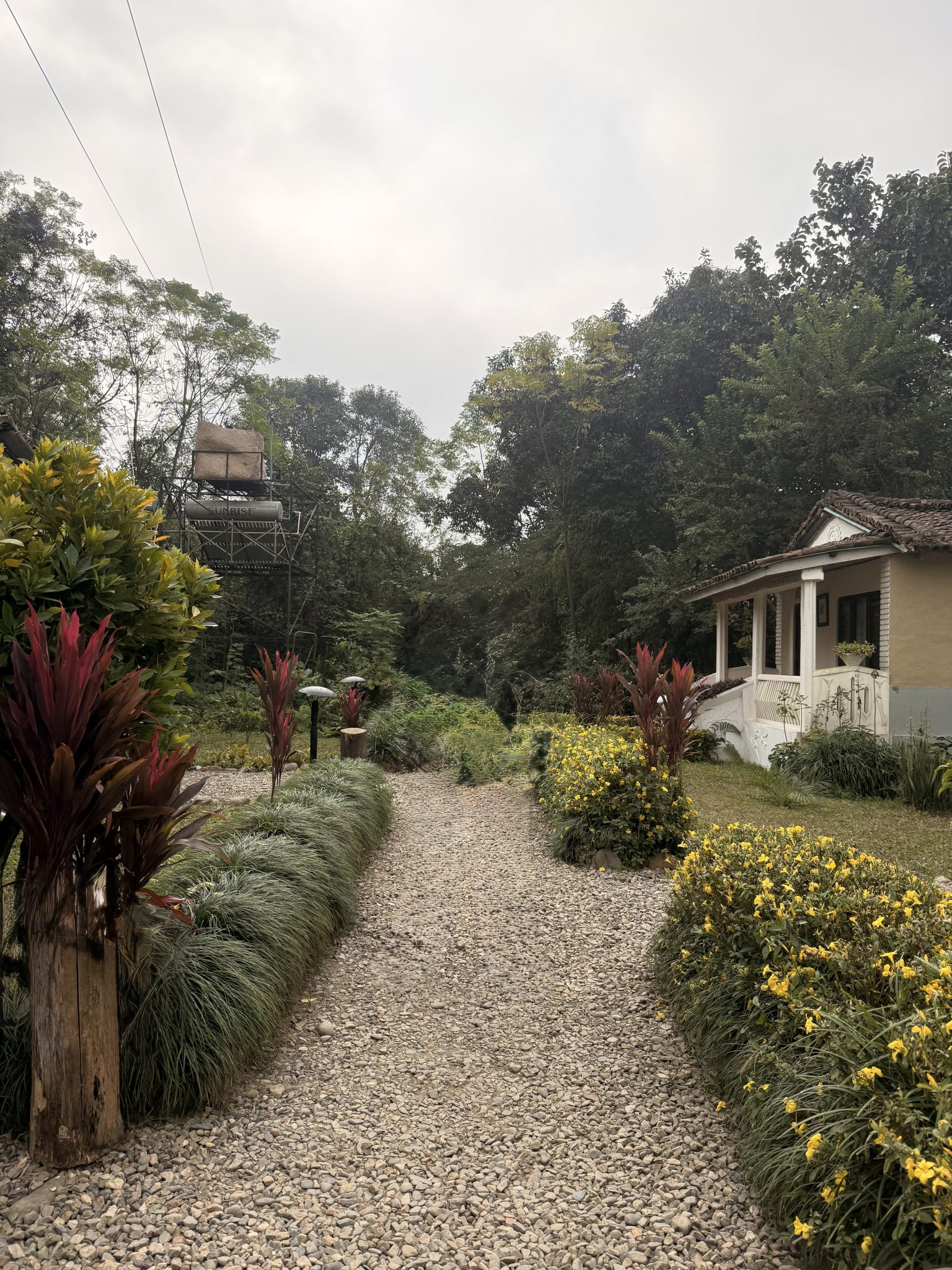
You can build a strong, clear walk space through your yard for under fifty dollars by using local crushed stone, recycled bricks, or pine wood slices. Lay down heavy landscape fabric first, add a two inch base layer of sand, and pack your top material tightly into place to keep weeds away. This guide shows you how to install three cheap gardening path styles in just one afternoon with simple hand tools.
How do I build a budget garden path?
Building a low cost walkway requires proper site preparation so the ground stays flat and free of mud. Dig your path outline three inches deep into the soil using a straight spade, then shovel all loose dirt into a wheelbarrow. Tamp the bottom of your open trench until the bare earth feels hard and firm under your boots.
Line the entire open trench with woven weed fabric to block roots from pushing up through your finished work. Cut the edges of the fabric so it sticks out two inches on both sides of the trail. Fill the bottom of the trench with a two inch layer of washed builder sand, then wet it with your garden hose for ten seconds to help it settle before adding your top surface.
- Dig a path trench three inches deep and twelve to eighteen inches wide.
- Clear out all sharp rocks, roots, and grass clumps from the open trench floor.
- Lay heavy woven weed fabric across the whole dirt floor, overlapping seams by six inches.
- Spread two inches of damp builder sand over the cloth and tamp it smooth.

Set up a recycled red brick walkway
Used red clay bricks are often listed for free on local community boards or sold for pennies at local salvage yards. Place your salvage bricks directly onto the damp sand bed in a flat herringbone or simple grid pattern. Leave a small one eighth inch gap between each brick so they fit together like a tight puzzle without shifting under your feet.
Pour fine dry play sand over the top of your laid bricks until you cover them completely. Use a stiff outdoor broom to sweep the dry sand back and forth for five minutes until every crack between the bricks is full. Spray the surface with a fine water mist for two minutes to set the sand, then sweep more sand into any open gaps that settle down.
Build a rustic timber slice stepping path
Free fallen hardwood logs or pine branches can be sliced into stable wooden stepping stones using a standard hand saw or chainsaw. Cut your logs into flat rounds that are thick, measuring exactly three inches from top to bottom. Place these wooden rounds in shaded areas that get less than four hours of direct sun daily so the wood does not crack open in dry heat.
Set each wood slice onto your prepared sand base, leaving six inches of space between each round for a natural walking stride. Fill the open spaces between your wood slices with crushed pea gravel or organic pine bark mulch. Water the wooden path once a week with your hose for thirty seconds to keep the wood from drying out and splitting over time.
- Cut tree logs into uniform wood slices that are three inches thick.
- Place rounds spaced eighteen inches apart from center to center for an easy walking step.
- Pack crushed pea gravel around the wood slices until the gravel is level with the wood tops.
- Check the wood slices once a month and replace any soft or rotted pieces.
Lay down a low cost pea gravel trail
Crushed stone is one of the cheapest choices for an attractive path and works best in full sunlight locations that get six to eight hours of sun each day. Install plastic landscape edging along both outer edges of your dug trench to keep the loose stones from spilling into your flower beds. Secure the flexible edging by driving six inch metal landscaping staples into the soil every twelve inches.
Pour three cubic feet of pea gravel per ten feet of path directly onto your sand and fabric base. Spread the stone evenly with a hard steel garden rake until the gravel coat sits one inch deep. Roll a heavy lawn roller over the gravel, or step back and forth across the loose stone path for ten minutes to pack the rock layer tightly together for clean walking.
No comments