Plants that keep insects away naturally
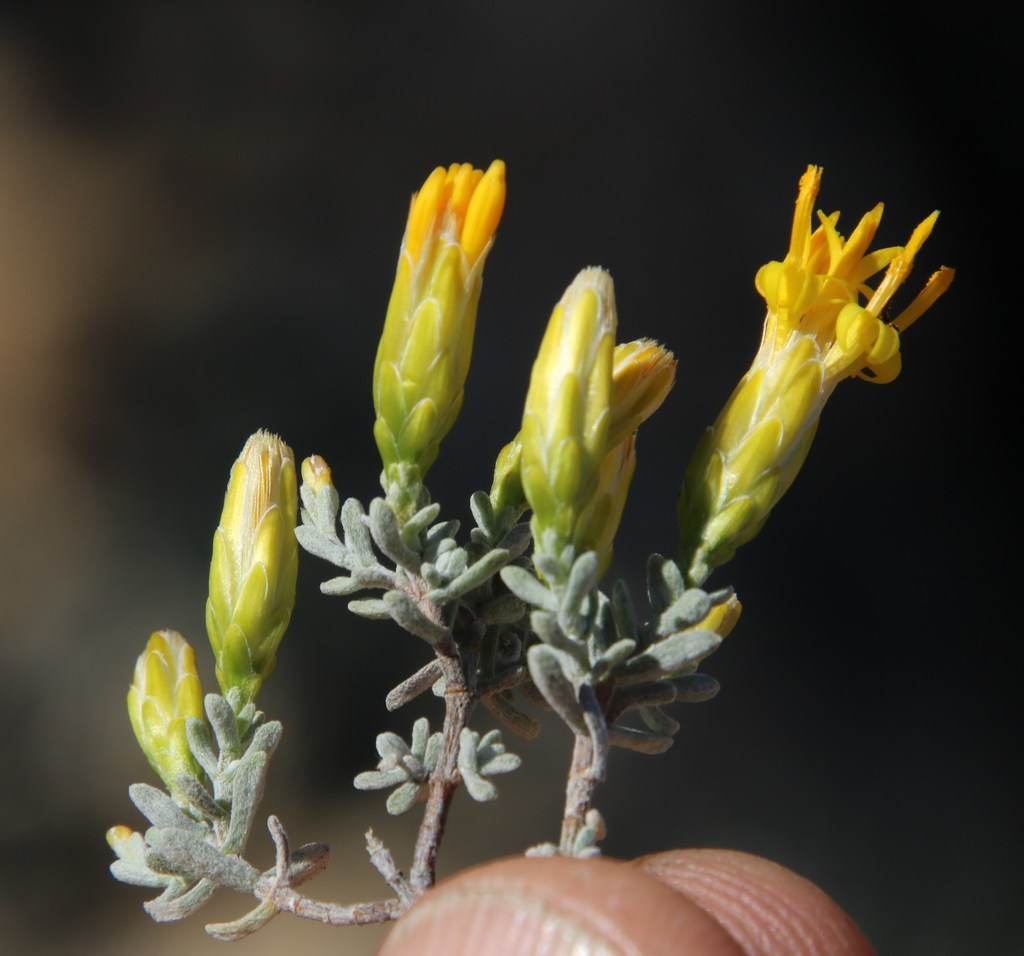
You can use specific plants to create a natural shield against mosquitoes, flies, and ants around your home. Most of these plants work by releasing strong essential oils that confuse or repel common garden pests. Growing them in pots near your doors and seating areas is the most effective way to see results immediately.
Best plants that keep insects away naturally
Lavender is one of the most effective choices because it contains camphor. While humans find the scent relaxing, it is very offensive to flies, moths, and mosquitoes. You should place lavender in a spot that receives at least six to eight hours of direct sunlight every day. This plant prefers gritty, well-draining soil and only needs a deep watering once the top two inches of soil feel completely dry to the touch.
Peppermint is another powerhouse for your pest control strategy. The strong menthol scent is a natural deterrent for ants and spiders. Because mint spreads very quickly, you must grow it in a dedicated container to prevent it from taking over your entire garden. It thrives in partial shade or full sun and requires consistent moisture, so check the soil every morning and water it until the liquid runs out of the drainage holes.
- Lemon Grass: This plant contains citronella oil which is a famous mosquito repellent. It needs full sun and high humidity to grow tall.
- Marigolds: These bright flowers release a scent that deters aphids and mosquitoes. Plant them in borders or small pots around your patio table.
- Rosemary: This woody herb keeps cabbage moths and carrot flies away. It needs very little water once the plant is established.
- Basil: This herb is excellent for repelling houseflies and mosquitoes. Keep the soil moist but never soggy.

How to plant a repellent container garden
To start your repellent garden, you will need containers that are at least 10 to 12 inches deep. Using a high-quality potting mix is better than using dirt from your yard because it allows for better airflow around the roots. If you are new to Gardening, start with three main plants like lavender, basil, and marigolds to cover the most common insects. This setup takes about thirty minutes to assemble once you have your supplies ready.
Grouping your plants together increases the strength of the scent barrier. Place your pots in a semi-circle around your outdoor chairs or along the edge of your deck. To release more of the repellent oils, you can gently brush your hands against the leaves of the herbs as you walk past them. This simple action sends a fresh burst of scent into the air which helps keep the area clear of flying insects for several hours.
- Step 1: Choose a pot with at least two drainage holes in the bottom to prevent root rot.
- Step 2: Fill the bottom third of the container with potting soil.
- Step 3: Remove the plant from its nursery plastic and gently loosen the roots with your fingers for ten seconds.
- Step 4: Place the plant in the center and fill the remaining space with soil, leaving one inch of space at the top.
- Step 5: Water the plant immediately for thirty seconds until the soil is fully saturated.
Sunlight and water needs for pest-repelling plants
Most plants that keep insects away naturally come from warm climates and require plenty of light. Basil and lavender need at least six hours of hot afternoon sun to produce the oils that drive bugs away. If you keep these plants in a shaded corner, they will become weak and lose their effectiveness. Position your pots on the south side of your house or patio to ensure they get the strongest light possible during the day.
Watering schedules must be exact to keep these plants healthy enough to fight off pests. Basil and mint like to stay damp, so you should water them every two days in the summer. Lavender and rosemary are different and prefer to dry out between waterings. If you overwater them, the roots will turn black and the plant will die within two weeks. Always touch the soil with your index finger before adding more water to see if it is truly needed.
Maintaining your natural insect barrier
Regular pruning is required to keep your repellent plants producing strong scents. Every two weeks, you should pinch off the top inch of growth on your basil and mint plants. This prevents them from flowering and forces the plant to grow more leaves. More leaves mean more surface area to release the oils that keep the flies away. This task only takes five minutes but doubles the lifespan of your herbs.
Fertilizing is also a key part of maintaining a healthy Container garden during the peak of summer. Use a liquid organic fertilizer once every four weeks during the growing season. Avoid using too much nitrogen, as this can lead to fast growth with very little scent. A balanced approach ensures your plants stay vibrant and fragrant from late spring until the first frost of autumn.
- Deadhead marigolds by cutting off faded flowers to encourage new blooms all summer long.
- Check the undersides of leaves once a week for any signs of spider mites or scales.
- Rotate your pots every Saturday so that all sides of the plant receive equal sunlight.
- Move your pots indoors if a frost is predicted, as basil and lemon grass will die at freezing temperatures.
No comments