Small Back Garden Ideas to Make Your Space Look Bigger

You can turn a narrow yard into a lush outdoor room with clear zones and layered plants. These garden inspiration ideas for a small back garden show you how to use fences, raised borders, and simple paths to make your space feel twice as large. A complete plan takes one weekend to measure, clear, and plant.
How do I plan a small back garden?
Start by measuring your yard with a tape measure so you know the exact footprint. Map out the sunny spots between 10:00 AM and 4:00 PM before you buy any plants. Most flowering plants need at least six hours of direct sunlight each day, while leafy greens and hostas thrive with three to four hours. Mark your seating spot first, because people need a flat area of at least six feet by six feet to sit comfortably without hitting borders.
A classic principle of practical Gardening is to draw clear pathways between zones. Keep walking paths at two feet wide so you have room to carry tools or a watering can. Use dark gray gravel or flat stone pavers spaced three inches apart to guide the eye toward the back fence. This diagonal or zig-zag path makes a short yard feel much longer than a straight line does.
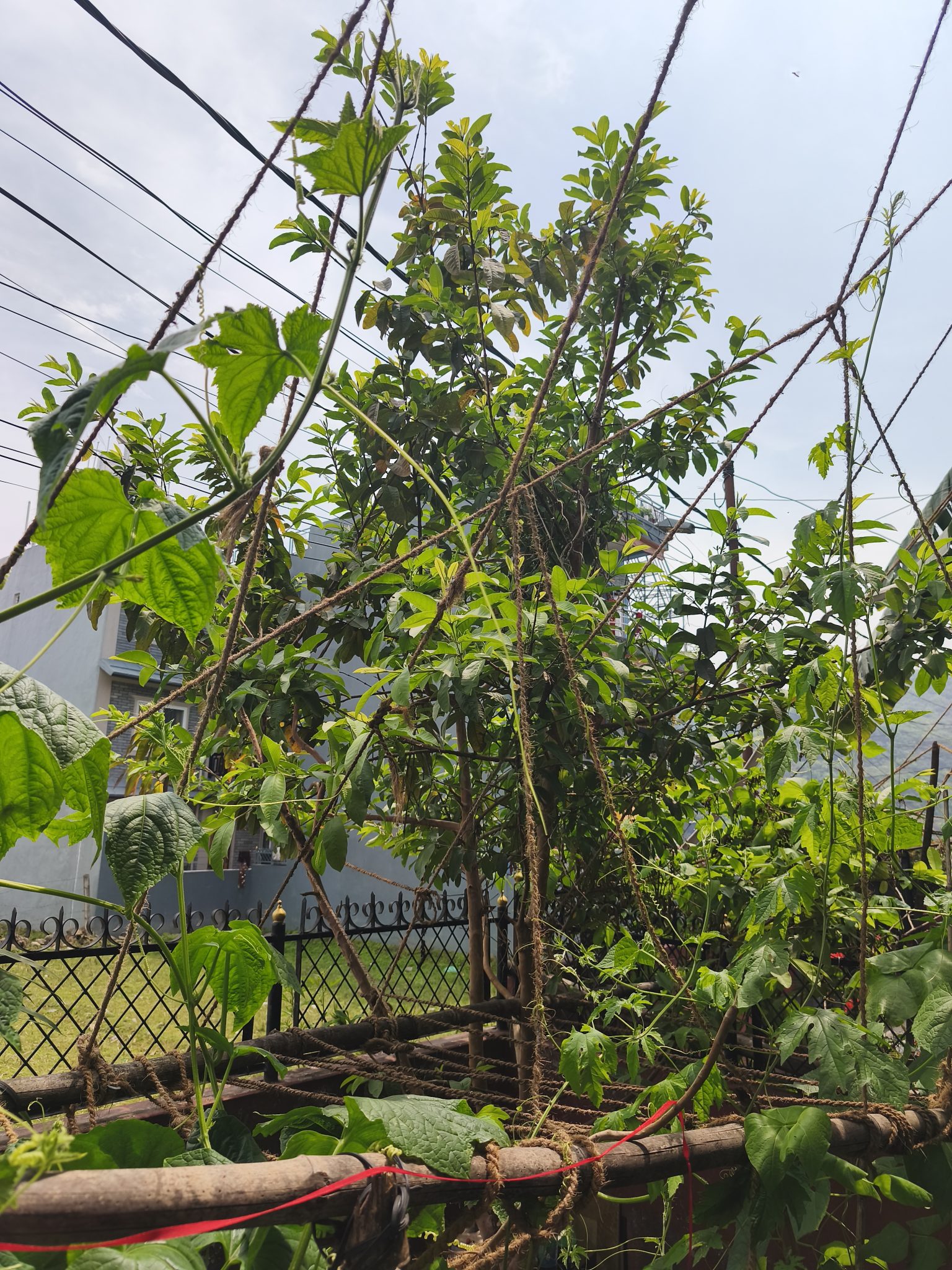
Garden inspiration ideas for a small back garden using vertical space
When you have very little open ground, grow upward against your boundaries. Bare wooden fences make a yard look like a box, but green living walls push the visual boundary outward. Install wooden trellises two inches away from the fence boards to allow good air movement and stop fungal diseases on plant leaves.
Choose climbing plants that stay neat and do not smother the entire fence. Fast-growing vines can take over in sixty days if you do not train them every week.
- Star jasmine: Needs six hours of sun. Give it one gallon of water every four days during summer. Tie new green shoots to the wire trellis with soft garden twine every two weeks.
- Clematis: Needs six hours of morning sun with cool roots in full shade. Add a two-inch layer of wood bark mulch over the root zone to hold soil moisture.
- Espalier apple or pear: Plant two feet away from the wall in full sun. Water with two gallons of water once a week from April to September.
- Climbing rose: Needs at least five hours of direct sun. Prune dead wood down to an outside bud every year in February.
Build raised garden beds to define the borders
Raised garden beds lift your flowers closer to eye level and create strong, neat lines that keep a small yard orderly. Build beds that are eighteen inches deep and twenty-four inches wide along the edges of the space. Fill the bottom six inches with coarse organic matter and top the rest with equal parts topsoil and weed-free compost. This depth gives plant roots cool soil to grow deep, which cuts your watering chore down to twice a week even during dry spells.
Arrange your plants in three clear tiers based on their final height. Put the tallest plants at the very back against the fence, mid-sized perennial flowers in the center, and trailing plants along the front edge to spill over the timber walls. This layering trick hides the fence base and creates deep visual texture in a tiny border.
Choose compact plants for all-season color
Every single plant in a tight yard must work hard through several seasons. Avoid wide, spreading shrubs that crowd the path within one year of planting. Pick upright varieties that grow between two and three feet tall so you keep open sight lines across the entire yard.
Planting in groups of three creates calm, repeating patterns that look far less cluttered than a collection of single plants.
- Boxwood or dwarf privet: Plant eighteen inches apart in partial shade to full sun. Water once weekly with one gallon per plant. Trim with shears in late June.
- Lavender: Needs full sun and sandy, fast-draining soil. Give it half a gallon of water every ten days. Cut flower heads back by two inches after blooms fade in August.
- Salvia: Place in full sun and water twice weekly during June and July. Cut stems to the ground in late autumn after frost turns the foliage brown.
- Creeping thyme: Plant four inches apart along the bed edge in full sun. It handles light foot traffic and needs watering only during dry spells lasting over two weeks.
Add a single focal point to draw the eye
A small yard needs one clear destination at the furthest end to make the space feel deep. Place a stone bench, a bird bath, or a ceramic water pot directly at the end of the walkway. Avoid adding more than one large feature, because multiple garden ornaments crowd the ground and make outdoor areas feel messy.
Surround this focal piece with soft ornamental grasses like Mexican feather grass or blue fescue. These grasses move in light wind and add a quiet sound that makes the yard feel private. Water ornamental grasses with half a gallon of water once a week in their first year, and prune them back to three inches above the soil every year in early March.
No comments