Shade Garden Ideas That Still Look Full
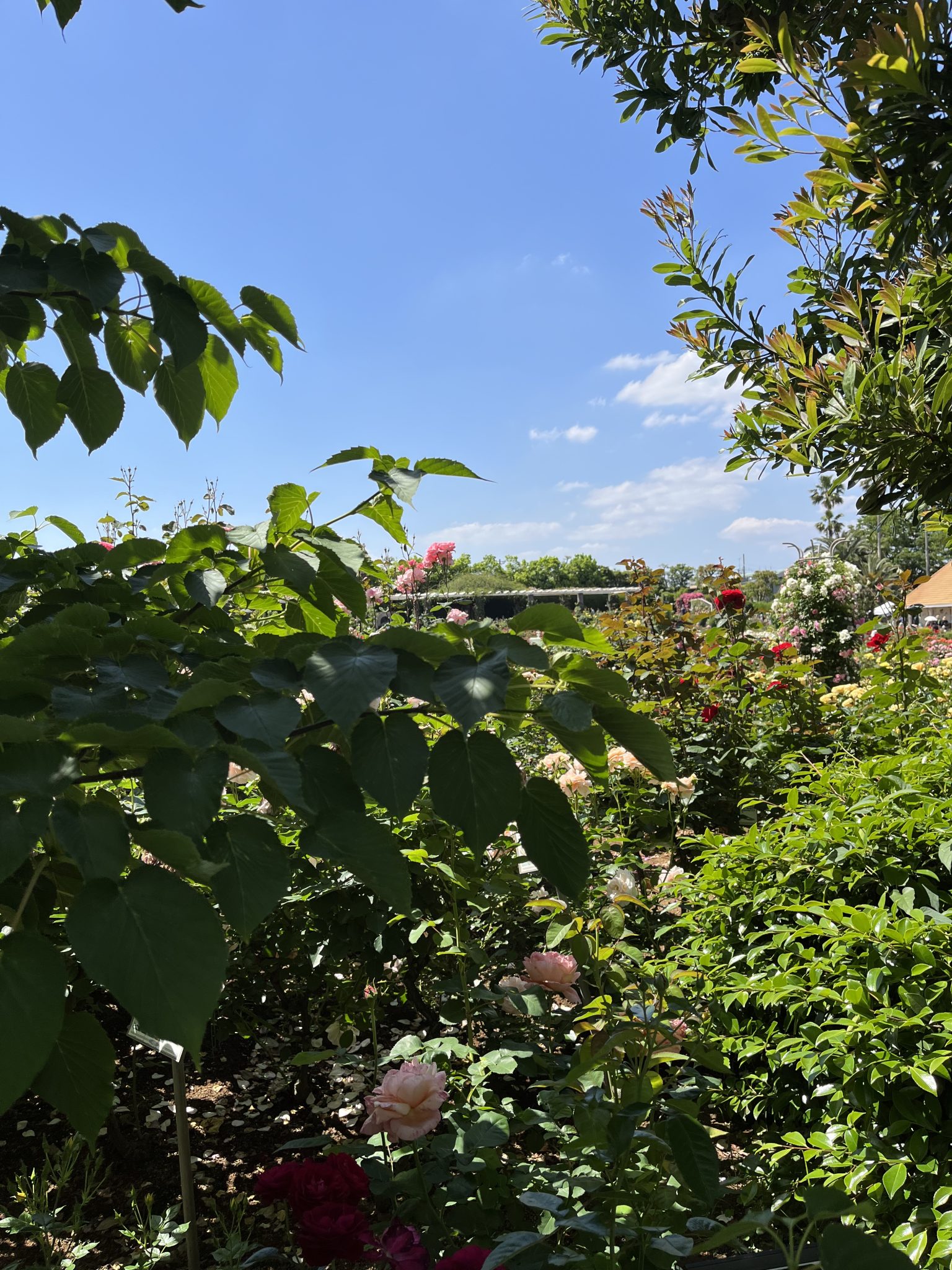
You can create a lush space with shade garden ideas that still look full by layering textures, leaf sizes, and rich soil. Most dark spots fail because the dirt is dry and compacted under trees, not just because of low light. Fix the ground first, pick wide leaves that catch weak sun, and water deeply once every week.
How to design a shade garden that looks full?
Start with the tallest plants against the wall or fence and work your way down to the front edge. Deep shade needs broad foliage rather than delicate blooms to create visual weight. Mix deep green leaves with chartreuse and silver leaves so the bed does not look like a dark, flat wall of green.
Space your plants so their leaves touch by midsummer. Measure your area carefully before you dig. A packed border keeps weeds down and holds moisture in the ground for longer periods between waterings.
- Back row: Plant Japanese painted ferns or tall goat's beard spaced 24 inches apart.
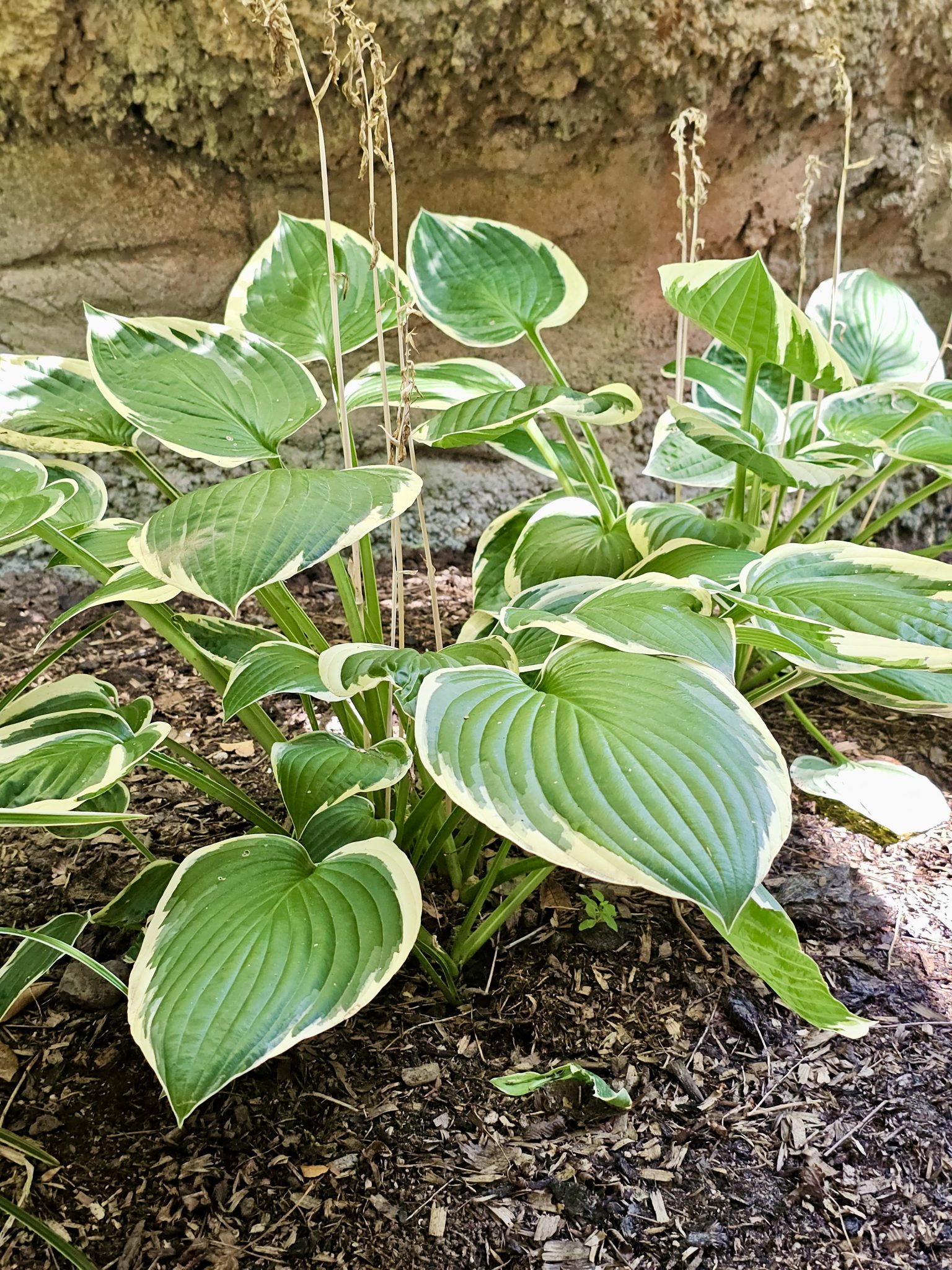
- Middle row: Set wide hostas or bleeding hearts 18 inches apart.
- Front border: Edge the bed with sweet woodruff or wild ginger spaced 8 inches apart.
Prep the soil with compost and leaf mould
Shade spots under trees dry out quickly because tree roots take all the rain. Work two inches of well-rotted leaf mould or homemade compost into the top four inches of your soil using a hand fork. This takes about thirty minutes for an eight-foot bed and gives new roots room to spread.
Never pile soil high over existing tree roots, as that can suffocate the tree. Instead, tuck small starter plants into pockets between the main woody roots. Lay down one inch of shredded bark mulch right after planting to trap water in the ground. You can learn more about general bed care and soil health through basic Gardening practices that protect young roots.
Best foliage plants for deep shade
Flowering plants often struggle without direct light, but foliage plants thrive and hold their shape from April through October. Choose plants that show strong veins, crinkled edges, or variegated margins. A bed with five different leaf textures always looks fuller than a bed with ten different flower colors.
Stick to a tight palette of proven growers that survive cold winters and dark corners. Pick plants that come back year after year so you only buy them once.
- Hostas: Choose blue-green types like Halcyon or bright yellow-green types like Sun Power.
- Astilbes: Offer feathery plumes and ferny foliage that contrast with wide hosta leaves.
- Heuchera (Coral Bells): Provide dark purple or lime green leaves that stay bright all season.
- Hakonechloa (Japanese Forest Grass): Brings bright gold blades that spill over stone edges.
Exact watering and care schedule for shade beds
Shade plants need less surface evaporation than sun plants, but large tree canopies act like umbrellas that block normal rainfall. Check the soil moisture by pushing your index finger two inches into the dirt every Sunday morning. If the dirt feels dry and dusty at the tip of your finger, give the entire bed a thorough drink.
Apply one inch of water across the bed once a week in the early morning around 7:00 AM. Water the base of each plant with a hose nozzle on shower setting, keeping moisture off the leaves to prevent mildew. Top up your shredded bark mulch every spring with a fresh half-inch layer to keep the soil cool and dark.
No comments