What to plant in spring month by month
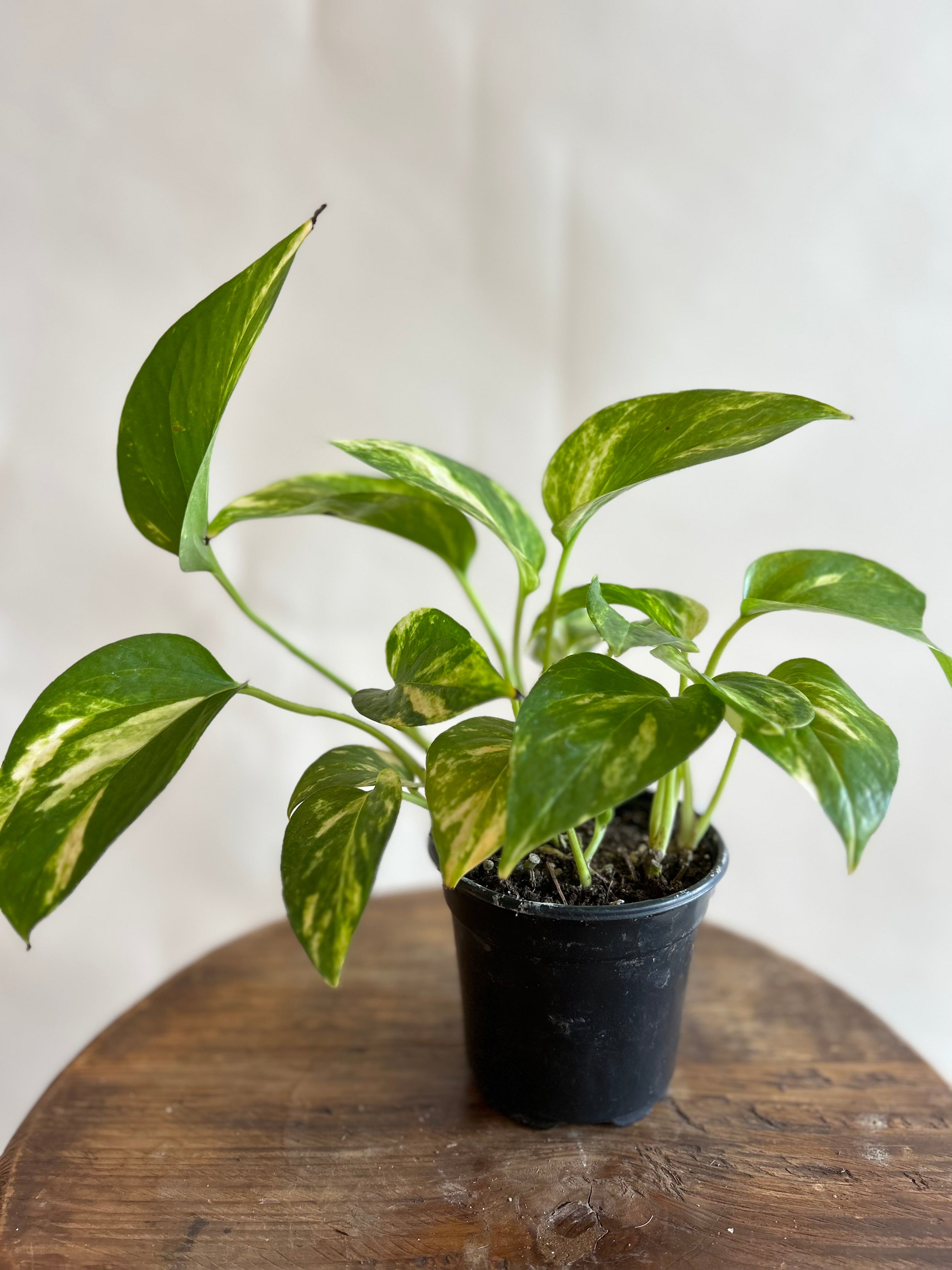
Follow this exact guide to learn what to plant in spring month by month for a great harvest. You can plant early cold crops in March, warm crops in April, and summer vegetables in May. Give your plants the right light and water using the simple schedule below.
What to plant in spring month by month in early March
March is the time to start cold hardy vegetables outdoors as soon as the soil softens. Work your soil on a dry afternoon when it does not stick to your boots. Spend about thirty minutes loosening the top six inches of earth with a fork. Mix in two inches of compost to give your young seedlings the nutrients they need.
Direct sow green peas, spinach, and radishes right into the ground. These crops love cool weather and survive light spring frosts easily. Water your seeds right after planting and keep the top inch of soil moist until they sprout.
- Green peas: Plant seeds one inch deep and two inches apart in full sun for six hours daily. Water with one inch of water per week.
- Spinach: Sow seeds half an inch deep in partial shade or full sun. Give them half an inch of water twice per week.
- Radishes: Plant seeds half an inch deep in full sun. Keep the soil wet and harvest in twenty one days.

What to plant in spring month by month during April
April brings warmer days and longer hours of daylight for your garden patch. You can now plant root crops and leafy greens directly into your garden beds. Spend twenty minutes raking the top of your soil smooth so tiny seeds can break through the surface easily. If you want to grow plants in pots, read about Container garden methods to save space on your outdoor patio.
Planting your seeds in mid April gives them time to build strong roots before hot summer days arrive. Keep a thin piece of fleece nearby to cover your small plants if temperatures drop near freezing at night.
- Carrots: Sow seeds a quarter inch deep in loose soil with full sun for eight hours daily. Water lightly every two days.
- Kale: Plant seeds half an inch deep in full sun or partial shade. Give the soil one inch of water each week.
- Swiss chard: Place seeds half an inch deep and four inches apart. Water with one inch of water every seven days.
- Lettuce: Scatter seeds on the soil surface in partial sun for four hours daily. Mist with water daily until leaves appear.
How to handle tender summer crops in late May
Late May is the best time to move warm weather crops outdoors into your garden. Wait until your last spring frost date has passed completely before you set out fragile plants. Spend fifteen minutes checking your soil temperature to make sure it reaches at least sixty degrees Fahrenheit. You can learn more basic facts about Gardening to help your soil stay rich and healthy all season long.
Set out your young nursery plants on a cloudy day to prevent leaf burn from bright sun. Dig a hole twice as wide as the nursery pot for each plant. Press the soil firm around the stem and water deeply right away.
What to plant in spring month by month for May success
May is the month for heavy producers that love high heat and bright sun. Place these crops in the sunniest spot in your garden where they get at least eight full hours of direct sunlight every day. Soak the soil deeply around their bases rather than spraying the leaves to keep the foliage dry and healthy.
Add a two inch layer of straw mulch around your May plants to lock in soil moisture and stop weeds from taking over your garden bed. Water every morning before the sun gets too hot.
- Tomatoes: Plant nursery starts two feet apart in full sun. Give them one and a half inches of water per week at the base.
- Zucchini: Sow seeds one inch deep in full sun. Water with one inch of water twice per week during warm weather.
- Bush beans: Place seeds one inch deep and three inches apart in full sun. Water with one inch of water every week.
Daily water and sunlight tips for spring plants
Your spring crops need steady care to grow strong roots and thick leaves. Check your soil every morning by pushing your index finger one inch deep into the earth near your plants. If the soil feels dry at your fingertip, apply water at the base of the plant until the top four inches are thoroughly damp.
Group your plants by their sunlight needs so bright summer sun does not scorch your delicate spring greens. Put short leafy crops under the shadow of tall tomato cages or bean trellises to protect them when summer arrives. This simple layout keeps your spring garden green and full for months.

No comments