Winter Garden Jobs Worth Doing Right Now

You can keep your plot healthy all year by working on winter garden jobs worth doing during the cold months. Focus on pruning dormant trees, building up your soil, cleaning hand tools, and organizing your seeds. Spending two hours outside on a clear winter afternoon saves you warm weather work later.
What Are Winter Garden Jobs Worth Doing?
The best winter tasks protect your outdoor space from frost and set up strong spring growth. Your soil needs attention before the ground freezes solid or gets too wet to walk on. Adding two inches of organic matter like well-rotted manure or garden compost across your empty growing beds in November or December gives earthworms time to pull nutrients down into the earth. Spread the organic matter right over the top of the dirt using a standard garden fork. You do not need to dig it in or turn the soil over. The rain and snow will settle it into the ground over the next twelve weeks.
Winter is also the right season to check on your wooden structures. Inspect raised beds, fence panels, and plant supports for signs of rot or loose screws. Spend thirty minutes tightening bolts and replacing broken wooden slats while plants are fully dormant. If you have unheated wooden sheds or cold frames, sweep out dry leaves and cobwebs so pests do not spend the cold season hiding inside. Keeping these areas clean now prevents mold and fungal spores from jumping to your new spring seedlings in March.
How to Prune Trees and Shrubs in Winter
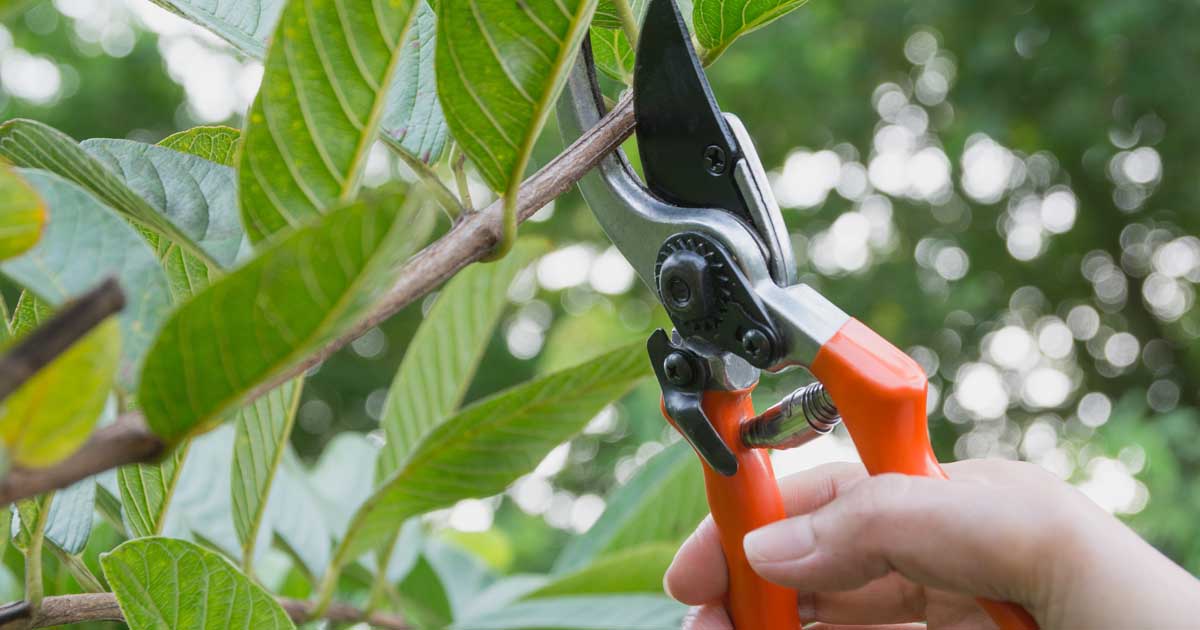
Prune your apple trees, pear trees, and soft fruit bushes between November and early February while they are fully dormant. Never cut your plants on days when the temperature falls below freezing, because cold ice damages fresh wood cuts. Pick a dry afternoon with temperatures above 40 degrees Fahrenheit. Always cut right above an outward-facing bud at a forty-five-degree angle using sharp bypass secateurs. This sharp slope allows rainwater to run right off the stem cut without collecting on top of the open bud.
Follow these exact pruning steps for your fruit trees and berry bushes:
- Cut away dead, diseased, or broken branches down to healthy green wood.
- Remove any stems that cross over each other or rub together in the wind.
- Cut out thin stems growing straight up into the center to let sunlight and air inside.
- Shorten the main side branches by one-third of their length to encourage fruit buds.
How to Clean and Sharpen Garden Tools
Clean tools prevent plant diseases from spreading across your growing area next year. Bring all your spades, hoes, and hand shears into a dry space like a shed or garage. Scraping off caked mud with a stiff wire brush takes about ten minutes per item. Wash the metal parts with warm soapy water, then dry every tool completely using an old towel so the metal never rusts.
Follow these simple step-by-step instructions to keep your metal kit in great shape:
- Wipe all metal blades using a rag soaked in rubbing alcohol to kill bacteria.
- Run a flat metal file down the cut edge of your spades and shears at a twenty-degree angle ten times.
- Rub boiled linseed oil over wooden handles using a soft cloth to stop wood from splitting.
- Apply a thin coat of general machine oil to metal joints and blades to repel water.
Protecting Pots and Outdoor Water Systems
Terracotta and clay pots crack into pieces when water gets inside the clay pores and freezes solid. Move empty clay pots into a frost-free shed or garage before the first hard freeze hits your region. If you must leave heavy pots outside, lift them two inches off the wet patio using brick feet or wooden blocks. This gap lets extra water drain out of the bottom hole so water never pooling under the pot turns to ice. Check on your outdoor container garden setups to make sure drainage holes remain open and free of packed mud.
Turn off your outside water supply at the main indoor valve before sub-zero winter temperatures arrive. Open the outdoor tap fully so any trapped water drains out completely into the drain. Unscrew all rubber hose pipes, drain the water out onto the lawn, and roll them up into loose loops. Store your rubber hoses flat inside a dry shed. Leaving a water hose connected to an outdoor tap in freezing weather ruins the rubber pipe and causes copper pipes to burst inside your walls.
Organizing Seeds and Planning Spring Beds
Sorting out old seed packets is a quick indoor task for cold rainy days. Gather all your leftover seed packets on a table and check the expiration dates printed on the paper backs. Test old seeds for life by putting ten seeds onto a damp paper towel inside a sealed plastic bag. Place the bag on a warm windowsill receiving six hours of indirect sun every day for seven days. If fewer than five seeds sprout roots, throw the packet away and buy fresh stock for your spring gardening project.
Draw a simple map of your growing space on plain paper using a pencil. Mark where you grew tomatoes, potatoes, beans, and cabbages last summer. Plan to move each plant family to a completely different bed this coming year. Moving your crop families prevents soil pests from building up in one spot and keeps the dirt healthy. Grouping your seeds by month in a small plastic file box makes spring planting fast and stress-free.
No comments