How to Make Compost at Home Step by Step

You can learn how to make compost at home by mixing green kitchen waste with brown garden materials in a simple outdoor pile. Set your bin in a spot that gets 4 hours of sun each day and keep the pile as damp as a wrung out sponge. You will have rich brown plant food ready for your garden in 60 to 90 days.
Choose the Best Spot and Setup for Your Bin
Pick a flat piece of bare soil in your yard that receives 3 to 4 hours of direct sunlight daily. Sunlight warms the pile and helps beneficial microbes work faster to break down your materials. Setting the bin directly on open dirt allows earthworms and soil insects to climb inside and speed up the process.
You can buy a plastic tumbler or build a standard three foot tall box using four old wood pallets linked together with wire. A three foot by three foot bin holds heat without taking up too much room in a small yard. If you prefer to use a standard bin, read about how a outdoor Gardening setup works best with proper drainage.
How to Layer Green and Brown Materials
Every successful bin relies on a basic balance of two parts brown dry items to one part green wet items. Adding too many wet items causes bad smells, while adding too many dry items slows down breakdown. Lay a four inch base of coarse twigs at the very bottom so air flows under the pile.
Gather your household and yard waste into these clear groups before adding them to your pile:
- Green items for nitrogen: Vegetable peels, fruit cores, fresh grass clippings, and coffee grounds.
- Brown items for carbon: Dry autumn leaves, shredded brown cardboard, torn newspaper, and small wood twigs.
- Things to keep out: Meat scraps, dairy products, oils, dog waste, and diseased garden plants.
Watering and Turning Schedule
Check the moisture level of your heap every three days. Grab a small handful of material from six inches deep and squeeze it in your palm. If two drops of water leak out between your fingers, the moisture level is correct. If the material feels dry to the touch, pour two gallons of water over the top of the pile.
Turn the pile once every seven days using a standard pitchfork or garden fork. Move the cool dry material from the outer edges into the center of the pile, and push the warm inner material to the outside. Turning takes ten minutes and injects fresh oxygen so the beneficial bacteria do not die off.
How to Fix Common Compost Problems
A fresh pile should smell like damp forest soil. If your heap smells sour or rotten, it has become too wet and lacks air. Add two buckets of dry shredded cardboard immediately and turn the whole pile from top to bottom to absorb the extra water.
Follow these quick troubleshooting steps to keep your bin working on schedule:
- If the pile smells like ammonia: Mix in two arms full of dry autumn leaves to balance the extra nitrogen.
- If the pile feels dry and cold: Add one bucket of fresh green grass clippings and pour on one gallon of water.
- If insects hover around the top: Cover your fresh food scraps with three inches of dry brown leaves or newspaper.
Harvesting Your Finished Soil Food
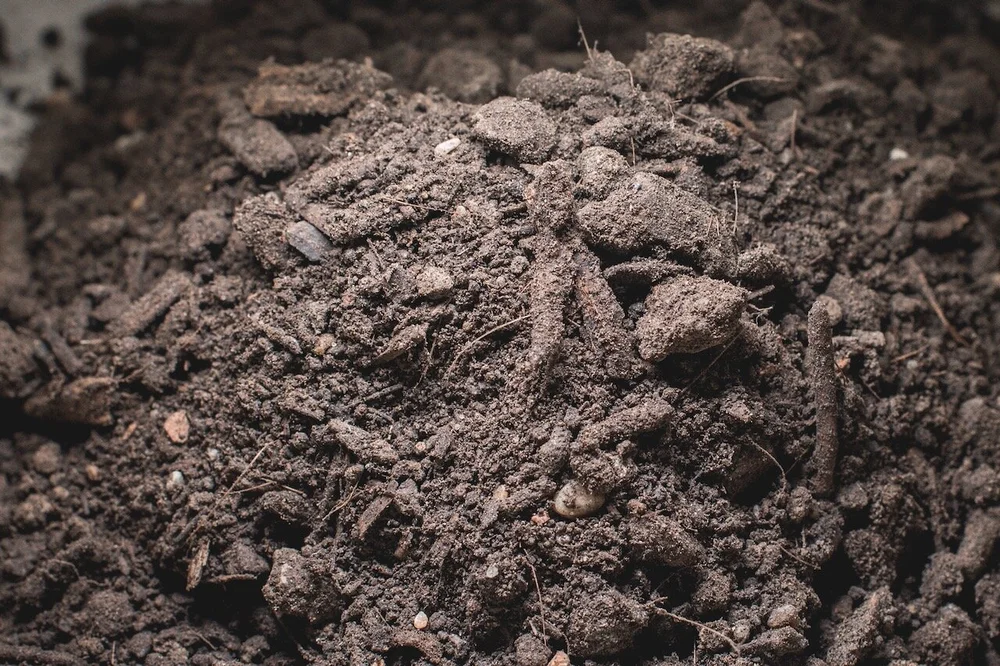
Your finished material is ready to use when it looks like dark, crumbly soil and smells sweet. You will no longer see whole banana peels or newspaper strips inside the main mass. The breakdown process stops generating high heat once the food sources are completely processed by your soil organisms.
Spread a two inch layer of finished material over your outdoor growing beds every spring and autumn. You can also mix one part finished material with two parts plain soil to feed growing plants in a small Container garden on your patio. Work the rich material into the top three inches of dirt using a small hand trowel.
No comments